
Steel buildings are low maintenance, but they’re not no maintenance. Most of the problems we get called out to on older buildings (leaking roofs, rusty gutters, doors that won’t shut) started as something small that nobody looked at for a few years.
This is a practical checklist you can follow yourself, plus the jobs that should be left to someone with the right kit. It applies to most single skin and composite clad steel buildings, whether it’s a store, a workshop or a farm building.
How Often Should You Check a Steel Building?
A good routine is:
- A walk round twice a year, ideally in spring and again in autumn once the leaves are down.
- A quick look after any big storm, especially at the roof edges, flashings and doors.
- A closer inspection every few years, or sooner on a coastal or exposed site where the weather is harder on the cladding.
Keep a simple record with the date and a few photos each time. It takes ten minutes and it’s useful if you ever need to make a warranty claim, because manufacturer warranties on cladding and other parts often depend on the building being looked after. You can read more on our guarantees and warranties page.
Steel Building Maintenance Checklist
1. Gutters and Downpipes
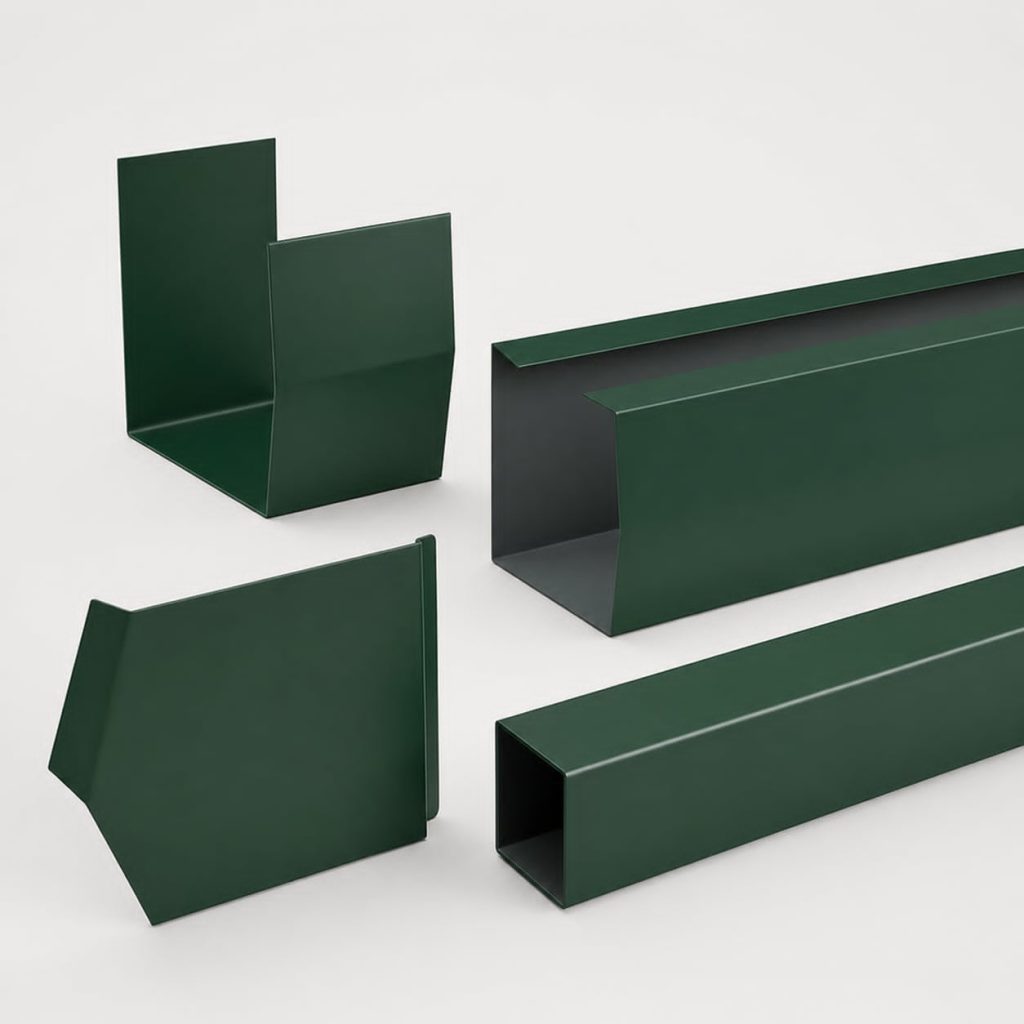
This is the big one. Blocked gutters overflow, and the water ends up running down the inside of the wall cladding or pooling at the base of the building. Clear leaves, moss and silt out of gutters and outlets, check the downpipes run freely, and make sure water is getting away from the building at ground level. If you’ve got trees nearby, you may need to do it more than twice a year.
2. Roof Sheets and Fixings
From the ground or a safe viewing point, look for sheets that have lifted, fixings that are missing or loose, and any dents or damage. Over time the washers on roof fixings can perish and let water in. Inside the building on a wet day is often the easiest place to spot a leak.
Please don’t go up on the roof yourself. Roof sheets and especially rooflights can be fragile and won’t take someone’s weight. Roof work needs proper access equipment and edge protection, so get someone in who does it for a living. The HSE has guidance on roof work and fragile roofs if you want to read more.
3. Cut Edges and Sheet Laps
Where cladding sheets have been cut, and where one sheet overlaps another, is where rust tends to start on coated steel sheets. Look for peeling paint or orange staining along the bottom edges of sheets and at the laps. Caught early it can be treated. Left for years it spreads.
4. Flashings, Trims and Seals
Flashings cover the joins at the ridge, corners, around doors and where the building meets anything else. Check they’re all still there, fixed down and not bent back by the wind. Look at sealants and foam fillers too, especially on extensions where the new building joins the old one.
5. Rooflights
GRP rooflights go cloudy and brittle with age. If they’re letting less light in than they used to, or you can see cracks, they’re due for replacing. It’s a common part of the refurbishment work we do.
6. Roller Shutters and Doors
Roller shutters get a lot of use and some knocks. Check they run smoothly, the guides aren’t bent, the bottom seal is in one piece and the locks work. Electric shutters should be serviced by a competent engineer, as the motors and safety devices need proper checks. Personnel doors want their hinges, closers and seals checking. We supply and fit replacement doors and shutters, see our steel building accessories.
7. Wall Cladding and the Base
Walk round the outside and look for impact damage from vehicles or forklifts, which is very common round doorways. Make sure soil, stone or rubbish isn’t piled up against the bottom of the cladding, because it holds water against the steel. Cladding manufacturers usually recommend washing the walls down now and again with water and a soft brush, particularly in sheltered spots that the rain never reaches, like under canopies.
8. Inside the Building
Look up. Drips, water marks on the floor, or rust spots on purlins and the underside of roof sheets usually mean either a leak or condensation. Condensation is common in single skin buildings when they’re used for something warm or damp. If it’s a regular problem, insulated cladding or better ventilation may be the answer. We’ve covered that in improving the insulation of steel-framed buildings.
9. The Frame
Have a look at the column bases and any bracing. You’re checking for impact damage (again, forklifts are the usual cause), loose bolts and any rust where water sits. A galvanised frame that’s kept dry should need very little attention.
When Maintenance Turns Into Refurbishment
Sometimes a building has gone past the point where patching it up makes sense. K M Electrical Services had water coming through their roof every time it rained, ruining an interior they’d just refurbished. The roof had been patched many times before. When we visited, it was clear it was no longer fit for purpose, so we over-clad the existing roof with new 0.7mm single skin sheets and fitted new gutters, downpipes and flashings throughout.
If you’re seeing repeat leaks, lots of rust on the sheets or cladding that’s well past its best, have a look at our steel building refurbishment page. Re-roofing and re-cladding are usually far cheaper than a new building.
Starting Off Right Makes Maintenance Easier
A lot of the maintenance a building needs is decided when it’s designed. Good drainage round the base, the right cladding for how the building’s used, gutters sized for the roof, and doors positioned away from where vehicles turn all make life easier for the next 30 years. We go into that in how long does a steel building last and roofing for steel buildings.
On our own buildings, we come back within the first year to put right free of charge anything that’s down to our installation, and we’re always happy to give maintenance advice after handover.
Need a Hand?
We can look at roof, cladding, gutter and door problems on any steel building, not just ones we’ve built, and tell you honestly whether it needs a repair or something bigger. If you’re planning a new building, see our range of steel buildings.
Get in touch or call 0191 359 2339.