
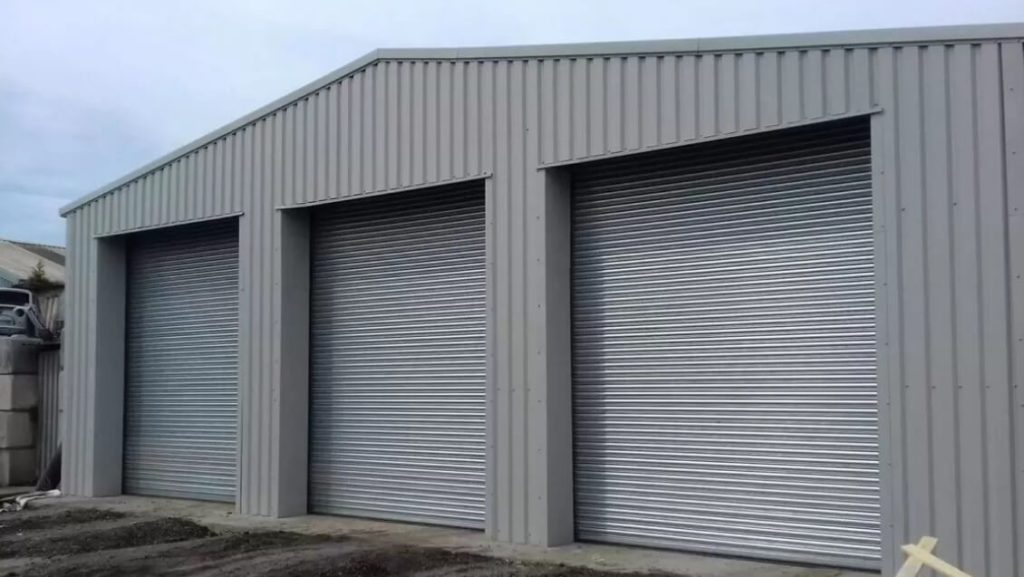
A steel building isn’t a small purchase, so it’s a completely fair question to ask before you commit: is this still going to be standing, watertight and doing its job in twenty or thirty years, or is it going to need replacing sooner than you think?
The honest answer is that a well specified, well built and reasonably maintained steel frame building should comfortably outlast most people’s expectations, well over 40 years is a realistic figure for the frame itself, and it’s not unusual to see steel buildings from decades ago still doing useful work. But that figure isn’t a given, it depends on a handful of things that are worth understanding before you buy rather than after.
What Actually Determines the Lifespan
The steel itself is the starting point. We work with trusted British cold rolled steel suppliers, and the quality of that steel, along with how it’s coated and protected, has a direct bearing on how long the structure lasts before corrosion becomes a concern. Cheaper, poorly specified steel simply doesn’t hold up the same way over decades.
Groundwork and drainage matter more than people expect too. A building can have excellent steel and still develop problems early if water isn’t being moved away from the base properly, which is one of the reasons we take groundwork seriously as part of the wider build rather than treating it as someone else’s job.
Where the building actually sits plays a part as well. Coastal exposure, industrial atmospheres and generally harsher weather all put more strain on cladding and coatings than a sheltered inland site would, so what suits one location isn’t automatically right for another.
Cladding and Coatings Do a Lot of the Quiet Work
This is the bit that’s easy to overlook, but it’s doing more than just keeping the weather out. Our insulated panel and composite cladding systems are there to improve thermal performance, support fire protection requirements, and reduce unwanted condensation inside the building. That last point matters more than it sounds, because condensation building up inside a structure over years is one of the more common causes of corrosion from the inside out, not just weather damage from outside. Getting the cladding specification right at the start genuinely protects the building’s lifespan, not just the comfort of whoever’s working in it. You can read more about the options on our steel cladding page.
Roofing and insulation choices matter for the same reasons, we’ve covered both of those in more detail in our guides to roofing for steel buildings and improving the insulation of steel framed buildings, worth a read if you want to go deeper on either.
What’s Covered If Something Does Go Wrong
We back our own workmanship with a first year guarantee, if an issue is confirmed to relate to our installation, we’ll come back and put it right free of charge. Beyond that first year, individual components like cladding sheets, composite panels, flashings, doors and guttering can carry their own manufacturer warranties, though how long those run for genuinely varies depending on the manufacturer, the product, the coating, the location and how exposed the building is, and how well it’s maintained. It’s worth actually reading the detail rather than assuming every quote covers the same thing, and we’ve laid it all out plainly on our guarantees and warranties page.
Maintenance Is the Bit People Forget
None of this removes the need for basic upkeep. Gutters need clearing, cladding fixings are worth an occasional check, and small issues sorted early stay small. Our steel building maintenance checklist goes through it step by step. We’re happy to give maintenance guidance after handover and answer reasonable questions about the building once it’s up, because a steel building that’s looked after properly for thirty years is a far better investment than one that’s neglected for five.
Why This Is Worth Asking About Before You Buy, Not After
When you’re comparing quotes, it’s tempting to look at price first and lifespan as an afterthought, but the two are connected. A cheaper build using thinner steel, lower spec cladding or rushed groundwork might come in lower on paper and cost a lot more over twenty years. Asking a supplier directly what steel they use, what the cladding options actually do, and what’s genuinely covered by warranty tells you more about the real cost of a building than the initial quote alone.
Have a look through our range of buildings to see what’s possible, and if you want a straight answer on what a building for your site would involve, why not get in touch today.