
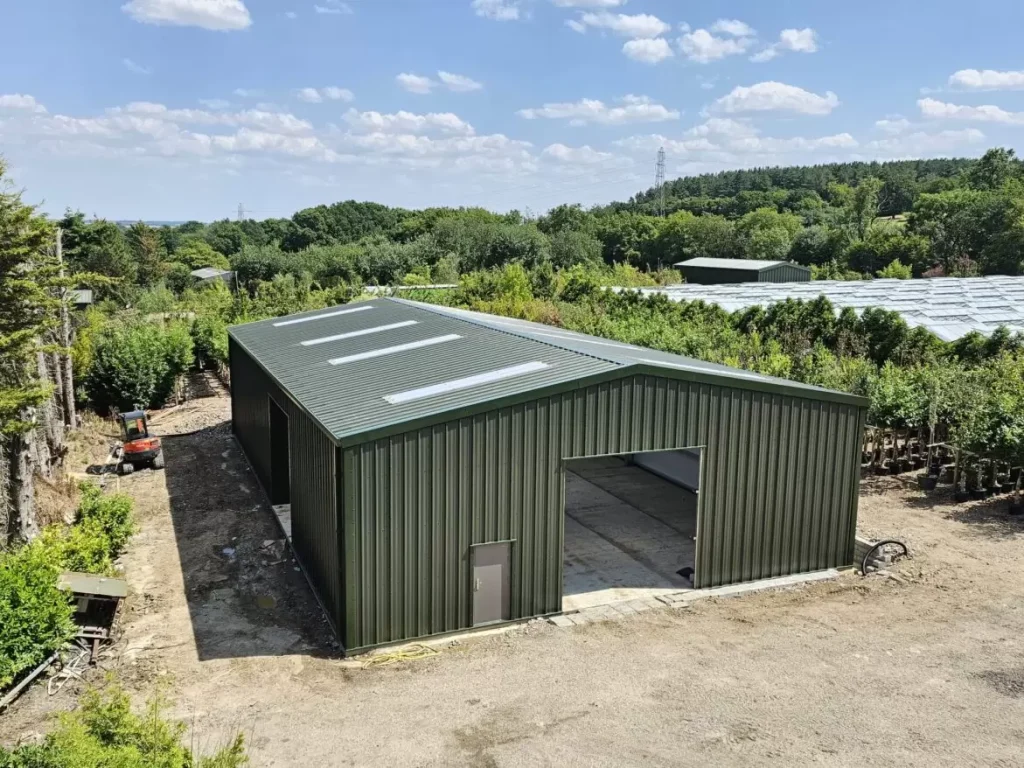
If you’ve got a steel framed building, or you’re planning one, and you’ve been wondering whether solar panels are a viable option, the short answer is yes. Absolutely yes.
In fact, steel buildings and solar panels are a surprisingly good match. The roof space is usually large, the structure is strong, and if you’re a business owner looking to cut your energy bills long-term, it’s one of the smartest things you can do with an industrial or commercial building.
Across the North East, from Sunderland and Seaham to Houghton le Spring, Washington and beyond, more businesses are making this move. Energy costs aren’t getting any cheaper, and a well-planned solar installation on a steel framed building can pay for itself many times over.
Here’s what you need to know.
Why Steel Buildings Work So Well for Solar
Not every building type lends itself to solar panels, but steel framed buildings genuinely do, for a few very practical reasons.
First, the roof span. Steel buildings tend to have large, unobstructed roof areas, which means you’ve got plenty of space to mount panels and actually generate a meaningful amount of power. A small roof gives you a small return. A big steel roof? That’s a different conversation.
Second, the structural strength. Steel can handle the additional load of a solar array without any drama. This isn’t always the case with older roof types, where you’d need expensive structural surveys and potentially reinforcement work before anyone fits a single panel. With a purpose-built steel frame, you’ve got a solid, reliable base to work from.
Third, and this one’s underrated, steel roofs are long-lasting. Solar panels are a long-term investment. You want both to have a similar lifespan, and steel delivers that in a way that some other roofing materials simply don’t.
What Type of Steel Roof Do You Have?
This matters more than most people realise, because the roof profile affects how the panels are actually mounted.
The two most common types on steel buildings in the North East are standing seam roofs and box profile (or trapezoidal) roofs.
Standing seam roofs are arguably the best option for solar. Clamps attach directly to the raised seams without any drilling or penetrating the metal surface, which means no risk of leaks and a very clean, secure installation.
Box profile roofs are also very workable. Specialist brackets are used that bolt securely through the profile and into the purlins beneath. Done properly, these are just as solid. It just requires a bit more care in the installation to maintain weather tightness.
If you’re not sure which type you have, Hamilton Steel Buildings can advise as part of any project, whether it’s a new build or a refurbishment of an existing structure.
Does the Roof Orientation Matter?
Yes, but it’s not always the deal-breaker people assume.
South-facing roofs will give you the best overall energy output throughout the day. But east and west-facing roofs can still perform very well, particularly if your energy usage is spread across the working day rather than peaking at noon.
For businesses in places like Seaham, Houghton le Spring or Sunderland, where the working day for industrial and commercial clients tends to run from early morning through to late afternoon, a well-designed system on a non-south-facing roof can still deliver excellent results.
The honest answer is: get a proper assessment done before assuming your roof won’t work. A lot of businesses have been pleasantly surprised.
New Build or Retrofit: Which Is Better?
Both are perfectly viable, but there are real advantages to thinking about solar at the design and build stage rather than adding it on later.
If you’re commissioning a new steel building through Hamilton Steel Buildings, it’s worth raising solar early in the conversation. The roof pitch, orientation and structural calculations can all be factored in from the start, which tends to be more cost-effective than retrofitting later.
That said, if you already have a steel building and want to add panels, a retrofit is absolutely achievable. Steel structures are well suited to this kind of upgrade, and it doesn’t require major disruption to your operations.
The key is working with someone who understands the structural side as well as the energy side, which is where having a proper steel building specialist involved from the start pays off.
What About Planning Permission?
This catches people out more than almost anything else, so it’s worth being clear about.
Many solar installations on commercial and industrial buildings fall under permitted development, meaning you don’t need formal planning permission. But this isn’t guaranteed. Larger systems, listed buildings, sites in conservation areas, or installations that significantly alter the appearance of a building may require a planning application.
If your business is based in Sunderland, Durham, South Tyneside or elsewhere in the North East, the local planning authority’s requirements are broadly similar, but it’s always worth checking before you proceed. Assuming you don’t need permission and then finding out you did is a headache nobody needs.
Hamilton Steel Buildings provides all the structural documentation needed for Building Control as standard, and can point you in the right direction on the planning side too.
What Are the Running Costs Like?
Solar panels are genuinely low maintenance, which is one of the reasons they make such a good long-term investment.
The main ongoing task is keeping the panels reasonably clean. Dust, debris and the occasional bird visit can reduce efficiency over time, but a periodic clean and a quick check that mounting brackets are still secure is usually all that’s needed.
The steel building itself also requires minimal upkeep compared to traditional construction, so you’re not layering a high-maintenance roof system on top of a high-maintenance building. Both work well together with relatively little fuss.
Is It Worth It Financially?
For most commercial and industrial businesses in the North East, yes, significantly so.
The payback period will vary depending on the system size, your current energy usage and your tariff. But for a business running machinery, lighting or refrigeration through the day, the savings can be substantial. Rising energy prices have only made the numbers look better over time.
There are also potential grants and incentives worth looking into, and the long-term increase in property value is another factor that often gets overlooked.
The honest answer is: the bigger your energy bills, the faster solar pays for itself. For most manufacturing, agricultural and storage businesses across County Durham, Wearside and Tyneside, it’s a decision many wish they’d made sooner.
Thinking About Adding Solar to Your Steel Building?
Whether you’re planning a new build or want to explore retrofitting panels onto an existing structure, Hamilton Steel Buildings can help.
With projects delivered across Sunderland, Seaham, Houghton le Spring, Washington, Durham, Newcastle and the wider North East, the team brings genuine structural knowledge to every project, which means the solar conversation starts from a much more informed place.
Call 0191 359 2339 or visit hamiltonsteelbuildings.com to request a quote or have a chat about what’s possible.